2026-08-27 · Rick Harlan
Winter Power Outage Preparation Tips for Elgin Households
Winter power outages hit Elgin households hardest when subzero temperatures combine with heavy snow and wind across Kane County. Start by evaluating your home's electrical capacity and backup options before the first cold front arrives, especially in older stock found throughout Downtown Elgin, the Near West Side, and East Side neighborhoods.
Checking Electrical Panels in Older Elgin Homes
Older homes in Downtown Elgin and the Near West Side often carry original 60- or 100-amp panels that struggle under modern loads once furnaces, space heaters, and sump pumps run nonstop during cold snaps. Walk through each circuit and note any double-tapped breakers or warm spots at the panel cover. Homes built before 1970 in these areas frequently need upgrades to handle the added demand without tripping during an outage recovery. If your panel shows signs of corrosion from basement moisture common near the Fox River, schedule an inspection promptly. Residents in Spring Creek and the West Side report similar issues after decades of freeze-thaw cycles stressing wiring connections. Cost Guide for Electrical Panel Upgrades in Older Elgin Homes outlines typical findings in these neighborhoods.
Planning Backup Power for Kane County Winters
A whole-house generator sized for your load keeps essentials running when ComEd lines go down for days after ice storms. Place the unit on a concrete pad at least 5 feet from windows and doors, with a transfer switch installed to prevent backfeeding. Households near Lords Park or the Elgin Public Museum often choose 10- to 20-kilowatt units because they power furnaces, refrigerators, and a few lights without constant refueling. Portable generators require outdoor placement on level ground away from snow drifts and regular oil checks every 8 hours of runtime. South Elgin and Carpentersville neighbors share the same weather patterns, making pre-winter fuel storage and extension cord testing standard practice before November.
Safety Steps During Extended Outages
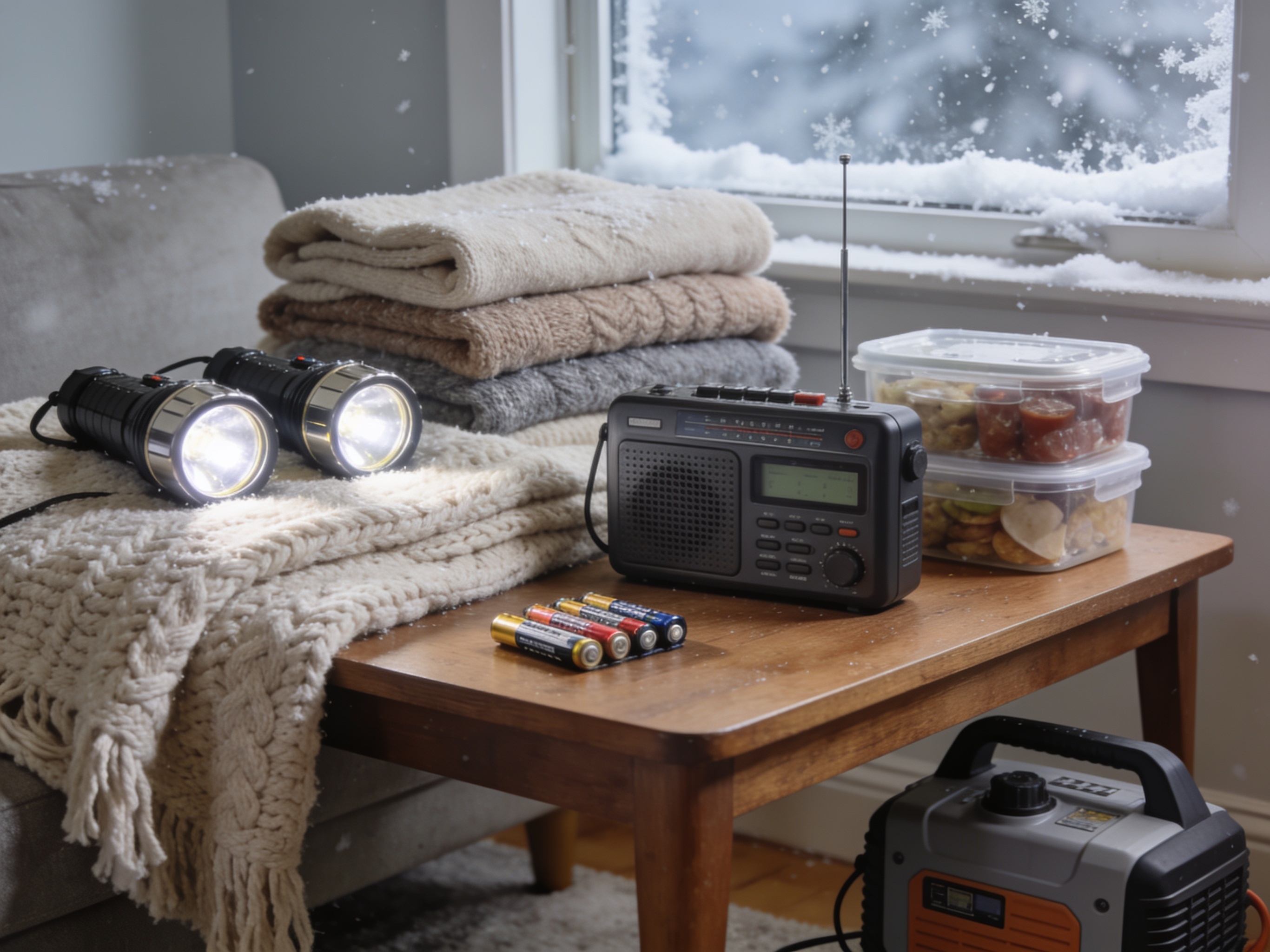
Keep flashlights, battery radios, and fully charged power banks in an accessible kit rather than relying on phone flashlights alone. Turn off major appliances at the breaker to avoid surges when power returns, a common issue reported along the East Side after prolonged outages. Never use gas stoves or grills indoors for heat, and monitor carbon monoxide detectors if running any combustion equipment in attached garages. Bartlett and Carpentersville crews emphasize clearing snow from generator exhaust ports to maintain airflow. Check smoke detectors and GFCI outlets monthly, as winter humidity changes can affect their function in older Kane County basements.
When to Call for Professional Help
If your lights flicker during high-wind events or the panel feels warm to the touch after a cold start, contact an electrician before the next storm. NorthWest Voltage maintains Mon–Fri 8am–6pm and Sat 9am–2pm availability for these assessments across Elgin and nearby communities. Emergency Electrician services address tripped breakers or partial power loss quickly, while Whole House Generator Installation provides permanent solutions for homes in flood-prone zones near Spring Creek. Regular panel maintenance prevents most winter outage complications before they strand families without heat.